Desktop Tools & Network Monitoring Directory for Dime Learners
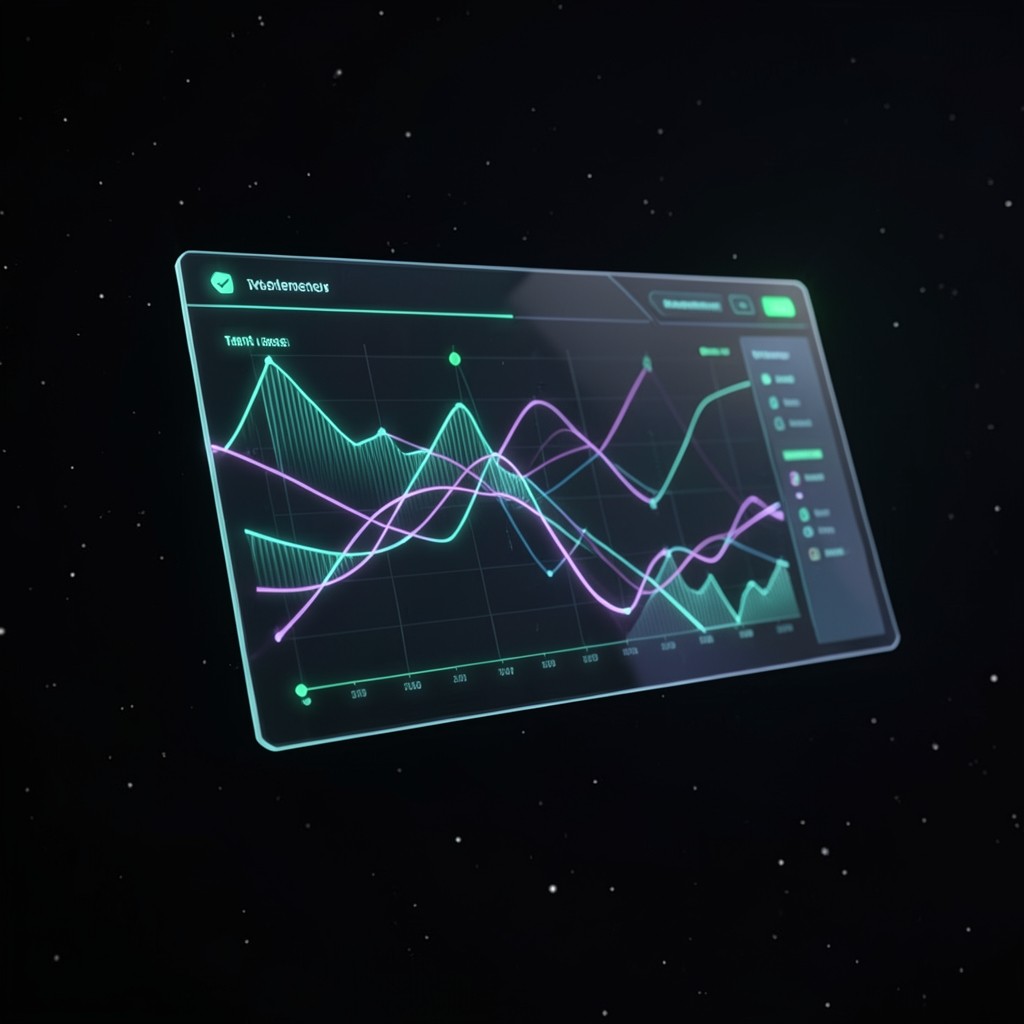
When studying distributed systems, hands-on empirical observation is critical. Learning how to inspect transaction payloads, decode account memory buffers, and monitor real-time validator metrics requires familiarity with the standard developer and diagnostic tools.
This educational directory reviews the primary categories of desktop utilities, block explorers, and telemetry interfaces used for researching Dime and Web3 protocols.
1. Block Explorers & Ledger Inspection Tools
Block explorers serve as public visual search engines and inspection microscopes for the decentralized ledger.
Key Inspector Capabilities:
├── Transaction Hex Viewer: Decode raw serialized byte arrays into human-readable instructions
├── State Account Inspector: Inspect raw data layout, lamport balances, and owning program IDs
├── Block Composition Breakdown: Examine compute unit usage, slot leaders, and fee distributions
└── Epoch Progress Bar: Track slot advancement, active validator counts, and stake weights
Educational Use Cases:
- Inspecting how a multi-instruction transaction executes sequentially.
- Observing how transaction fees fluctuate based on compute budget requests.
- Verifying whether a transaction achieved single-confirmation vs. finalized status.
2. Command-Line Interface (CLI) Suites
The command-line interface provides the most direct and unvarnished access to the distributed state machine:
- Local Testnet Harnessed Clusters: Command-line suites enable developers to spin up a single-node or multi-node local test ledger on a laptop, allowing instant transaction confirmation and step-by-step state debugging without internet access.
- Keypair Generators: Utilities for generating deterministic test keypairs, deriving public addresses, and validating mnemonic seed entropy.
- RPC Query Tools: Fast terminal commands for polling account balances, reading slot heights, and streaming live gossip logs.
3. Telemetry & Monitoring Dashboards
For researchers studying distributed consensus latency and peer propagation, telemetry dashboards provide real-time visibility into the health of the validator cluster:
- Cluster Health Monitors: Real-time web and desktop dashboards displaying current transactions per second (TPS), slot skip percentages, and round-trip voting latency.
- Prometheus & Grafana Stacks: Open-source monitoring suites deployed on validator instances to graph hardware I/O, memory cache eviction, and gossip network topology.
- Peer Map Visualizers: Visual representations showing geographical node distribution, internet service provider (ISP) decentralization, and latency matrices across global continents.
4. Hardware Signer Desktop Bridges
Hardware key management bridges provide a secure desktop link between air-gapped cryptographic hardware and local browser environments:
- Device Firmware Managers: Desktop applications used to safely audit device firmware signatures and install cryptographic curve applets.
- Transaction Verification Displays: Small OLED displays on hardware devices that parse transaction byte payloads and display recipient addresses and spend amounts for physical user confirmation.
For interactive guided practice using these diagnostic utilities, consider enrolling in our Dime Foundation Masterclass & Architecture Workshop.

Lead Blockchain Educator and distributed systems instructor at Dime Learning Library. Specializes in cryptographic primitives, state machine verification, and consensus algorithms.